Communication and Museum’s:
I had never given much thought to the relationship between museums and communication until taking this course. I primarily thought of museums as locations where people visit to view artwork, historical artifacts, or other significant items. I’ve begun to understand that museums are also about narrative and communication through our class talks and activities. A visitor’s comprehension of the material can be drastically altered by how a museum arranges an exhibit, describes an item, or employs images and films. As a communications major, I’ve discovered far more links between museums and my field than I had anticipated.
I find that storytelling is one of the most significant relationships. We are always considering how to present a story in a way that will keep an audience interested in communications and media. The same is required of museums. It is not enough for an exhibit to simply place items in a space and expect visitors to comprehend their significance. To give the items context, museums employ explanations, images, music, video, and interactive displays. I became more aware of the choices made behind the scenes as a result of our class talks on how museums show information. Museums must choose what information to display, who is represented, and how they want visitors to react.
A communications expert could make numerous contributions to a museum. People with knowledge of social media, public relations, advertising, video creation, interviewing, and audience engagement are essential to museums. A communications specialist might, for instance, make films for Instagram or TikTok that promote a new exhibit or feature interviews with individuals related to the subject being discussed. Additionally, they could assist museums in reaching younger audiences who might not otherwise consider going. The American Alliance of Museums states that museums seek to provide individuals with cultural and educational opportunities. To make those experiences understandable and engaging for various audiences, communication is crucial.
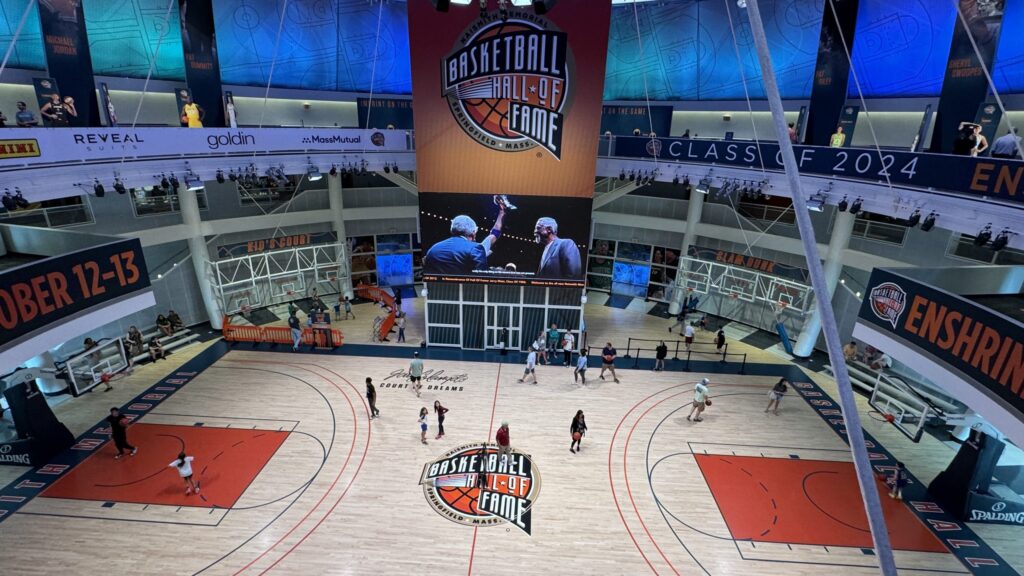
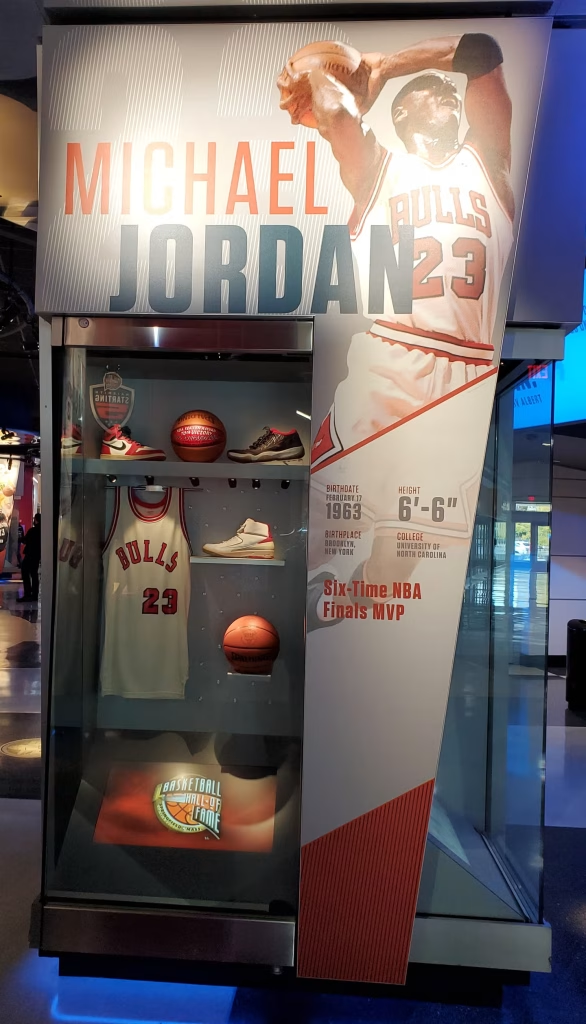
This concept particularly relates to my interest in sports media and broadcasting. I began considering the concept of a sports-related museum project for our Signature Project activity. Sports museums are an excellent illustration of how history and communication can coexist. Even while a jersey, basketball, trophy, or picture may appear to be a straightforward item, their backstory can give them significance. That narrative can be told with the aid of game videos, athlete interviews, data, images, and commentary. As someone who is interested in sports broadcasting, I might use my research, interviewing, narrative, and video production talents to help build an exhibit that connects visitors to a team, athlete, or significant period in sports history.
Still, I believe there are aspects of the museum industry that I can use in communications. One of the most important is realizing that the presentation of information is just as important as the information itself. Whether I’m producing sports content, giving a broadcast, posting on social media, or conducting an interview, I have to consider my audience and what I want them to learn. Additionally, museums demonstrate the value of accurately portraying people and preserving stories. All things considered, this course has made it clearer to me that museums and communications are far more intertwined than I had previously believed. Finding meaningful methods to communicate knowledge, experiences, and narratives with others is the ultimate goal of both industries.

Leave a Reply